
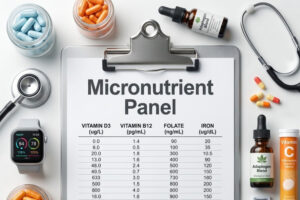
 Vitamin deficiency is much more common than most people realize. Micronutrient deficiencies affect more than 2 billion people of all ages globally, while about 42% of people in the United States may be deficient in vitamin D. Iron deficiency alone affects more than 25% of people worldwide. Early recognition of vitamin deficiency symptoms can prevent serious health complications. In this piece, I’ll show you how to check for vitamin deficiency and what nutrient deficiency symptoms to watch for. You’ll also learn the best ways to address these deficiencies for good.
What is vitamin deficiency and why it matters
Understanding what vitamin deficiency actually means can help you recognize when your body needs more support. The terms get thrown around frequently, but there are important differences between different levels of nutrient depletion.
The difference between deficiency and inadequacy
Nutritional inadequacy refers to an intake of nutrients lower than the estimated average requirement. Your body receives some of the vitamin, just not enough to meet optimal needs. A true deficiency means severely reduced levels where your body cannot perform its normal functions.
The difference matters more than you might think. Inadequacy might cause subtle symptoms that are difficult to identify, while deficiency guides to symptoms that show up clearly. To cite an instance, vitamin D inadequacy is defined as serum levels below 20 ng/ml, while some experts set the threshold at 30 ng/ml. This difference affects treatment, as reaching 20 ng/ml requires about 800 IU daily, whereas achieving 30 ng/ml needs around 4,000 IU daily.
Inadequacy can lead to “hidden hunger” where you consume sufficient calories but lack essential micronutrients. Subclinical deficiencies have been linked to impaired immunity, general fatigue and cognitive deficits. These inadequacies progress into full deficiencies that bring serious health consequences if left unaddressed.
Who is most at risk
Certain groups face higher chances of developing vitamin deficiency based on biological and lifestyle factors:
-
- Older adults: Nutrient absorption declines with age, especially when you have vitamin B12 and vitamin D needs. About 60% of nursing home residents and 57% of hospitalized patients were found to be vitamin D deficient.
- People with darker skin: Melanin blocks UV light absorption and makes vitamin D synthesis more difficult. About 68% of Non-Hispanic blacks have vitamin D concentrations below 20 ng/ml, compared to 17% of Non-Hispanic whites.
- Pregnant and breastfeeding women: Iron requirements jump to 27 mg/day during pregnancy, yet average intake is only 15 mg/day. Nearly 30% of women become iron deficient in the third trimester. Folate needs also increase by a lot during pregnancy.
- Adolescent females: Iron deficiency prevalence reaches 9.8% among nonpregnant women of childbearing age, mostly because of insufficient dietary intake and menstrual blood loss.
- People with digestive conditions: Crohn’s disease, celiac disease and inflammatory bowel disease prevent proper nutrient absorption. Those who have undergone gastric surgery face increased risk of vitamin B12 deficiency.
- People on restrictive diets: Vegans who don’t supplement face vitamin B12 deficiency risk since this nutrient comes mainly from meat, fish and dairy. Poor quality diets and alcohol misuse increase folate deficiency risk.
How deficiencies develop over time
Vitamin deficiency doesn’t happen overnight. The body progresses through distinct stages, starting with negative balance and moving toward tissue store depletion, loss of function, symptoms, signs and potentially organ failure.
The timeline varies by nutrient. Vitamin B12 stores can last 2 to 5 years without replenishment, meaning problems develop slowly after dietary changes. Folate stores last only 4 months, so folate deficiency can start within weeks.
Five factors drive negative nutrient balance: inadequate intake, poor absorption, increased requirement, increased losses and altered metabolism. These causes often overlap. A pregnant woman might have both increased requirements and inadequate intake at the same time.
Mild deficiencies occur nowhere near as often as severe ones get attention. Doctors familiar only with severe deficiency presentations can easily overlook milder cases that still cause dysfunction and reduced quality of life.
Common vitamin deficiency symptoms you shouldn’t ignore
Your body sends clear warning signals when vitamin levels drop too low. Early recognition of these vitamin deficiency symptoms can prevent progression to more serious complications.
Fatigue and weakness
Persistent exhaustion despite adequate rest often signals nutrient depletion. Anemia develops from deficiencies in vitamins B6, B9, and B12, and fatigue appears as the first sign. Vitamin C deficiency can also trigger constant tiredness. Inadequate B12 impairs red blood cell production and leaves fewer cells to transport oxygen throughout your body. This oxygen deprivation affects muscles and organs, creating chronic exhaustion and weakness.
Skin, hair, and nail changes
Vitamin deficiency demonstrates itself on your body’s surface. Deficiencies in vitamins A, B2, B3, and B6 cause rashes and various dermatitis types. Lack of biotin (B7) causes brittle fingernails and toenails that split easily, along with hair loss. Vitamin B12 deficiency creates nail hyperpigmentation, including longitudinal melanonychia and diffuse bluish discoloration. Mouth ulcers develop when thiamine (B1), riboflavin (B2), or pyridoxine (B6) levels drop. Pale or yellow skin coloring indicates anemia from vitamin deficiency.
Neurological symptoms
The nervous system suffers substantially from nutrient depletion. Numbness or tingling in hands and feet ranks among the most common neurological symptoms and occurs with deficiencies in vitamins B1, B6, B12, and E. This “pins and needles” sensation develops because B12 plays a vital role in myelin production, the protective layer surrounding nerves. Myelin deteriorates without adequate B12 and causes nerve damage. Deficiencies in vitamins B1, B3, B6, and B12 affect brain function and lead to memory loss, trouble concentrating, disorientation, and confusion. Mood changes including depression and irritability also emerge with B3, B6, B9, and B12 deficiencies.
Bone and muscle problems
Vitamin D deficiency affects musculoskeletal health. Muscle weakness appears in 88% of people with severe vitamin D deficiency. Bone pain, muscle aches, and cramps characterize vitamin D depletion. The deficiency can cause softer, weaker bones that fracture easily and lead to osteomalacia in adults. Reduced calcium and phosphorus absorption creates muscle weakness and affects coordination.
Vision and eye issues
Several vitamin deficiencies compromise eye health. Night blindness, or reduced ability to see in low light, stems from insufficient vitamin A. This progresses to xerophthalmia when left untreated and potentially damages the cornea, causing blindness. Vitamin D deficiency associates with age-related macular degeneration, diabetic retinopathy, and dry eye syndrome. Vision loss can also occur with deficiencies in vitamins B1, B2, and E.
Digestive troubles
Gastrointestinal symptoms signal certain deficiencies. Vitamin B12 deficiency causes nausea, vomiting, diarrhea, and loss of appetite. Weight loss often follows as digestive issues worsen. Vitamin D deficiency associates with increased severity of chronic gastrointestinal symptoms. To name just one example, see constipation that can result from weakened intestinal muscles due to vitamin deficiencies.
The most common vitamin deficiencies and their specific signs
Five specific deficiencies account for the majority of nutrient-related health problems worldwide. Each presents distinct signs beyond the general symptoms already discussed.
Vitamin D deficiency
Four out of ten people living in the United States have a vitamin D deficiency. About 35% of adults in the United States have vitamin D deficiency, while approximately 1 billion people worldwide face this issue. Levels below 20 ng/mL indicate deficiency, though many experts set the threshold at 30 ng/mL. Darker skin and limited sun exposure increase risk substantially, with 68% of non-Hispanic Black individuals having insufficient levels. The deficiency causes rickets in children, characterized by bowed legs and incorrect growth patterns. Adults with severe deficiency can develop osteomalacia, which results in soft bones and increased fracture risk. Mood changes including anxiety and depression often accompany low vitamin D levels.
Vitamin B12 deficiency
Vitamin B12 deficiency develops over time because the body stores enough to last 2 to 5 years. The condition causes megaloblastic anemia where red blood cells become abnormal and large and cannot function. A swollen, inflamed tongue and mouth ulcers appear as distinctive signs. Neurological complications include subacute combined degeneration of the spinal cord, one of the most feared manifestations that often guides to permanent disability. Less than 20% of people with low serum B12 levels have macrocytic anemia, so most cases present with neurological or psychiatric symptoms instead. Pernicious anemia, an autoimmune condition affecting the stomach, ranks as the most common cause in developed countries.
Iron deficiency
Iron deficiency affects more than one-third of women under 50, due to menstruation. Serum ferritin levels below 30 ng/mL indicate depleted iron stores, while levels at or below 15 ng/mL signal severe deficiency. Pica, an unusual craving for non-food substances like ice or dirt, serves as a telltale sign. Restless legs syndrome and cold hands and feet develop as blood flow prioritizes vital organs over extremities. Koilonychia, where nails become spoon-shaped with raised edges, appears in later stages. The tongue may become sore, smooth, or swollen.
Calcium deficiency
Hypocalcemia happens when blood calcium levels drop too low and affects nerve and muscle function. Tingling in lips, tongue, and fingers ranks as the most common sign. Muscle cramps occur in the back and legs. Severe cases cause laryngospasm, where throat muscle spasms make breathing difficult. Approximately 7% to 49% of people experience temporary hypocalcemia after thyroid surgery. The condition can progress to tetany and seizures if untreated.
Vitamin A deficiency
Vitamin A deficiency causes between 250,000 and 500,000 children worldwide to become blind each year. Night blindness serves as an early warning sign, followed by dry eyes and the inability to produce tears. Bitot spots, foamy deposits in the whites of the eyes, indicate worsening deficiency. The skin becomes dry and scaly, while the immune system weakens, which makes infections more probable. Children experience stunted growth and slower development.
How to check for vitamin deficiency
Recognizing symptoms is the first step, but you need proper testing to confirm a vitamin deficiency.
When to see your health provider
Schedule an appointment with your primary care doctor if you experience persistent vitamin deficiency symptoms. Vitamin deficiency is a clinical diagnosis, not something to self-treat with supplements. Your health provider can order the needed lab work to verify deficiency and connect you with a dietitian for targeted treatment.
Prepare a list before your visit. It should have your symptoms and when they began, current medical conditions, all medications and supplements you take with dosages, and specific questions about your concerns. Your doctor may ask about dietary habits and alcohol consumption. They might also ask whether anything makes symptoms better or worse.
Blood tests and biomarkers
Blood tests serve as the quickest way to diagnose vitamin deficiency. These screenings measure specific vitamin and mineral levels in your blood and identify which nutrients fall below normal ranges. Serum 25(OH)D measures vitamin D status, with levels below 30 nmol/L defined as deficient. For vitamin B12, total serum levels above 250 pmol/L indicate normal status. Levels between 150-249 pmol/L signal low status, and below 149 pmol/L represents acute deficiency.
Several companies now provide direct-to-consumer vitamin deficiency testing. Quest Diagnostics has 13 micronutrient deficiency panels designed for people with dietary restrictions, prescription medications, or chronic conditions. Labcorp OnDemand provides both at-home finger prick tests and in-person lab testing. Results arrive within 1-2 days of sample receipt.
These services have physician oversight. An independent physician reviews and places the lab order before you visit a patient service center for blood draw when you purchase a test online.
What routine checkups have
Annual physical exams can catch vitamin deficiency before symptoms appear. Routine blood work during checkups screens for common deficiencies based on your age and risk factors. Anemia panels testing iron, ferritin, folate, and B12 are included often. Vitamin D testing may be recommended for those with chronic fatigue, depression, or conditions like rheumatoid arthritis.
How to fix vitamin deficiency for good
Correcting a vitamin deficiency requires a strategic approach that addresses both immediate needs and long-term health.
Dietary changes and food sources
Food should be your main source of vitamins and minerals. A balanced diet emphasizing fruits, vegetables, whole grains, beans, legumes, low-fat protein and dairy products provides the variety needed to meet daily requirements. Many common foods contain multiple nutrients and make it easier to meet your needs through everyday meals.
Fatty fish like salmon, tuna and mackerel provide vitamin D, along with fortified milk and cereals. Red meat, poultry, eggs, beans and fortified bread are iron-rich options. Meat, fish, milk, cheese and fortified cereals supply vitamin B12. Green leafy vegetables provide vitamins A and K, plus calcium and magnesium.
Supplementation guidelines
Supplementation fills nutritional gaps when diet alone falls short. Most people over one year of age correct their vitamin D deficiency by supplementing 50,000 IU of ergocalciferol for at least eight weeks. Talk with your healthcare provider before you take supplements. They can interact with medications or cause side effects. Take only as described on the label and never substitute supplements for prescription medicines.
Addressing absorption issues
Certain nutrient pairings improve uptake. Fat-soluble vitamins absorb better when you consume them with healthy fats like olive oil or avocado. Iron from plant sources requires vitamin C for absorption. Gut health plays a big role in nutrient absorption, so think about eating probiotic-rich foods like yogurt and fermented vegetables.
Lifestyle modifications
You help digestion when you chew food well. This stimulates stomach acid and digestive enzyme production. Hydration helps your digestive system function smoothly and carries nutrients across the intestinal barrier. Sleep and gentle movement support digestive health by managing stress.
Creating a sustainable nutrition plan
Sustainability matters more than perfection. Many nutrition professionals recommend the 80/20 approach. Eighty percent of calories come from nutritious foods while twenty percent allows for foods you enjoy. This balance makes long-term adherence realistic. Work with a registered dietitian to create a meal plan that meets your specific nutritional needs.
Vitamin deficiency affects millions of people, but you don’t have to be one of them. Recognizing early warning signs gives you a powerful advantage in preventing serious health complications. Blood tests provide the clarity you need for diagnosis, and a food-first approach combined with targeted supplementation addresses deficiencies. Dietary changes that last outperform quick fixes every time. Schedule that checkup if you’ve noticed persistent symptoms. Your body sends clear signals when it needs nutritional support. Address these deficiencies now and you’re investing in your long-term health and well-being.
FAQs
Q1. What’s the fastest way to correct a vitamin deficiency? The most effective approach combines dietary changes with targeted supplementation. Increase consumption of nutrient-rich foods specific to your deficiency, such as fatty fish for vitamin D or leafy greens for vitamin A. For severe deficiencies, high-dose supplements prescribed by your healthcare provider can restore levels more quickly—for example, 50,000 IU of vitamin D weekly for eight weeks. Always consult your doctor before starting any supplementation regimen to ensure proper dosing and avoid interactions with medications.
Q2. Who has the highest risk of developing vitamin deficiencies? Several groups face elevated risk: older adults due to decreased nutrient absorption, pregnant and breastfeeding women with increased nutritional demands, people with darker skin who produce less vitamin D from sunlight, individuals with digestive conditions like Crohn’s disease or celiac disease that impair absorption, and those following restrictive diets such as veganism without proper supplementation. Additionally, adolescent females are particularly vulnerable to iron deficiency due to menstruation and inadequate dietary intake.
Q3. Can vitamin deficiencies cause permanent damage if left untreated? Yes, prolonged vitamin deficiencies can lead to irreversible complications. Vitamin B12 deficiency can cause permanent nerve damage and spinal cord degeneration, with less than 20% recovery in some cases. Vitamin A deficiency causes blindness in 250,000-500,000 children annually worldwide. Severe vitamin D deficiency results in bone deformities in children (rickets) and weakened bones in adults (osteomalacia) that increase fracture risk. Early detection and treatment are crucial to prevent these permanent health consequences.
Q4. How long does it take for vitamin deficiency symptoms to appear? The timeline varies significantly depending on the specific vitamin. Vitamin B12 deficiency develops slowly because the body stores enough to last 2-5 years, meaning symptoms may not appear until years after dietary changes. In contrast, folate deficiency can develop within weeks since stores typically last only 4 months. The progression occurs in stages, starting with depleted stores, then loss of function, followed by noticeable symptoms. Mild deficiencies are far more common than severe ones and often go unrecognized.
Q5. Are blood tests necessary to diagnose vitamin deficiency, or can I rely on symptoms alone? Blood tests are essential for accurate diagnosis. While symptoms provide important clues, they often overlap between different deficiencies and can mimic other health conditions. Professional testing measures specific vitamin levels in your blood—for instance, serum 25(OH)D for vitamin D or serum B12 levels—to confirm deficiency and determine severity. Self-diagnosis and treatment with supplements can be dangerous, as excessive intake of certain vitamins causes side effects. Always consult your doctor for proper testing and personalized treatment recommendations.
Our Medical Memberships Cover Help with Nutritional Deficiencies
Direct Primary Care (DPC) is a model of care where the patient pays an upfront monthly membership fee for high-quality and low-cost primary care. This means no surprise fees or being billed differently for sick visits versus wellness visits. This model is accessible to all. The focus of Direct Primary Care is ongoing wellness and prevention to prevent unnecessary hospitalizations or costly visits to the ER for primary care services.
> Learn More About Our Medical Memberships
Contact Us (727-312-1262) To Learn More!
—
 About Honeybee Holistic Health
Honeybee Holistic Health strongly believes in a holistic, organic, and integrative model of care where the patient is the center of all decisions. Our approach is to empower each one of our patients to heal themselves and to make informed, autonomous decisions in their plan of care. This is approached by integrating modern medicine with well-studied homeopathic treatment options when appropriate.
> Learn More