
Inflammation Evaluation & Holistic Treatment

Addressing the Underlying Causes of Inflammation to Support Better Health and Long-Term Wellness
Inflammation is the body’s natural response to injury, infection, and illness, but when inflammation becomes chronic, it can negatively impact your overall health and quality of life. Persistent inflammation may contribute to joint pain, muscle discomfort, chronic fatigue, digestive issues, and a variety of long-term health conditions.
At Honeybee Holistic Health, we take a comprehensive approach to understanding the underlying factors that may be contributing to inflammation rather than simply focusing on managing symptoms. Our personalized approach to inflammation management considers your medical history, nutrition, lifestyle, hormonal health, immune function, and metabolic health. Through comprehensive health evaluations, appropriate diagnostic testing, nutritional guidance, and individualized treatment recommendations, we help you address potential contributors to chronic inflammation.
Our goal is to help reduce inflammation, improve daily function, support your body’s natural healing processes, and promote lasting health and overall well-being.
For Current Patients
To manage your health and communicate with Honeybee Holistic Health, please click below to download the Elation Passport App.

Chronic Inflammation Evaluation & Treatment
Identifying underlying causes of chronic inflammation, evaluating symptoms, and developing personalized treatment plans.
Joint & Musculoskeletal
Inflammation
Addressing joint stiffness, muscle discomfort, arthritis-related inflammation, and mobility concerns.
Gut Health &
Inflammation
Exploring the relationship between digestive health, intestinal inflammation, gut microbiome imbalances, and inflammation.
Autoimmune Conditions
Understanding immune system dysfunction, autoimmune-related inflammation, and supportive holistic care.
Anti-Inflammatory
Nutrition & Lifestyle
Anti-inflammatory foods, nutritional deficiencies, supplementation, stress management, and healthy lifestyle habits.
Metabolic Health
& Inflammation
Addressing the relationship between inflammation, obesity, blood sugar imbalances, and metabolic disorders.
What is inflammation, and what causes it?
Inflammation is the body’s natural immune response to injury, infection, or harmful substances. While short-term inflammation helps protect the body and promote healing, persistent inflammation can damage healthy tissues and contribute to long-term health problems. Chronic inflammation may be associated with autoimmune conditions, infections, obesity, environmental exposures, and certain lifestyle factors.
What is the difference between acute and chronic inflammation?
Acute inflammation is a short-term immune response that typically occurs following an injury or infection and resolves as the body heals. Chronic inflammation occurs when inflammatory activity persists for months or years. Unlike acute inflammation, chronic inflammation may develop gradually without obvious symptoms and contribute to various health conditions.
What are the most common signs and symptoms of chronic inflammation?
Symptoms associated with chronic inflammation may include persistent fatigue, joint pain, muscle discomfort, stiffness, digestive problems, skin issues, and difficulty concentrating. Because these symptoms can also result from other medical conditions, a comprehensive health evaluation is important to determine their underlying cause.
How is chronic inflammation diagnosed?
Diagnosing chronic inflammation typically involves reviewing your medical history, symptoms, lifestyle habits, and existing health conditions. Healthcare providers may recommend blood tests, including C-reactive protein (CRP) and erythrocyte sedimentation rate (ESR), when appropriate. Additional diagnostic testing may help identify underlying medical conditions contributing to inflammation.
What health conditions are associated with chronic inflammation?
Chronic inflammation is associated with numerous health conditions, including rheumatoid arthritis, inflammatory bowel disease, cardiovascular disease, type 2 diabetes, obesity, and certain autoimmune disorders. Identifying and managing underlying health conditions can help reduce inflammation-related complications and support long-term wellness.
Can poor gut health contribute to chronic inflammation?
Yes. Certain digestive disorders and changes in the gut microbiome may contribute to inflammatory activity throughout the body. Conditions such as inflammatory bowel disease and celiac disease can trigger persistent inflammation. Addressing underlying digestive conditions and supporting gut health through appropriate nutrition and medical care may help improve overall health.
What foods can help reduce inflammation naturally?
Foods that may help support a healthy inflammatory response include leafy green vegetables, berries, fatty fish, olive oil, nuts, seeds, legumes, and whole grains. Following a balanced, Mediterranean-style diet and limiting excessive added sugars, refined carbohydrates, and highly processed foods may help support long-term health.
Can stress and poor sleep contribute to chronic inflammation?
Yes. Persistent stress and inadequate sleep can affect immune system regulation and increase inflammatory activity. Practicing stress management techniques, maintaining consistent sleep schedules, engaging in regular physical activity, and developing healthy daily habits may help support a healthier inflammatory response.
What treatment options are available for chronic inflammation?
Treatment depends on the underlying cause, severity of symptoms, and individual health needs. Treatment recommendations may include nutritional modifications, lifestyle improvements, appropriate supplementation, prescription medications, and management of underlying medical conditions. A personalized treatment plan can help address identified contributors to inflammation.
How can Honeybee Holistic Health help with chronic inflammation?
At Honeybee Holistic Health, we take a comprehensive, personalized approach to inflammation management. By evaluating your medical history, nutrition, lifestyle, hormonal health, digestive health, immune function, and metabolic health, we work to identify potential underlying contributors to inflammation. Our goal is to develop individualized care recommendations that help manage symptoms, improve daily function, and support long-term health and wellness.
Honeybee Holistic Health Provides Direct Primary Care
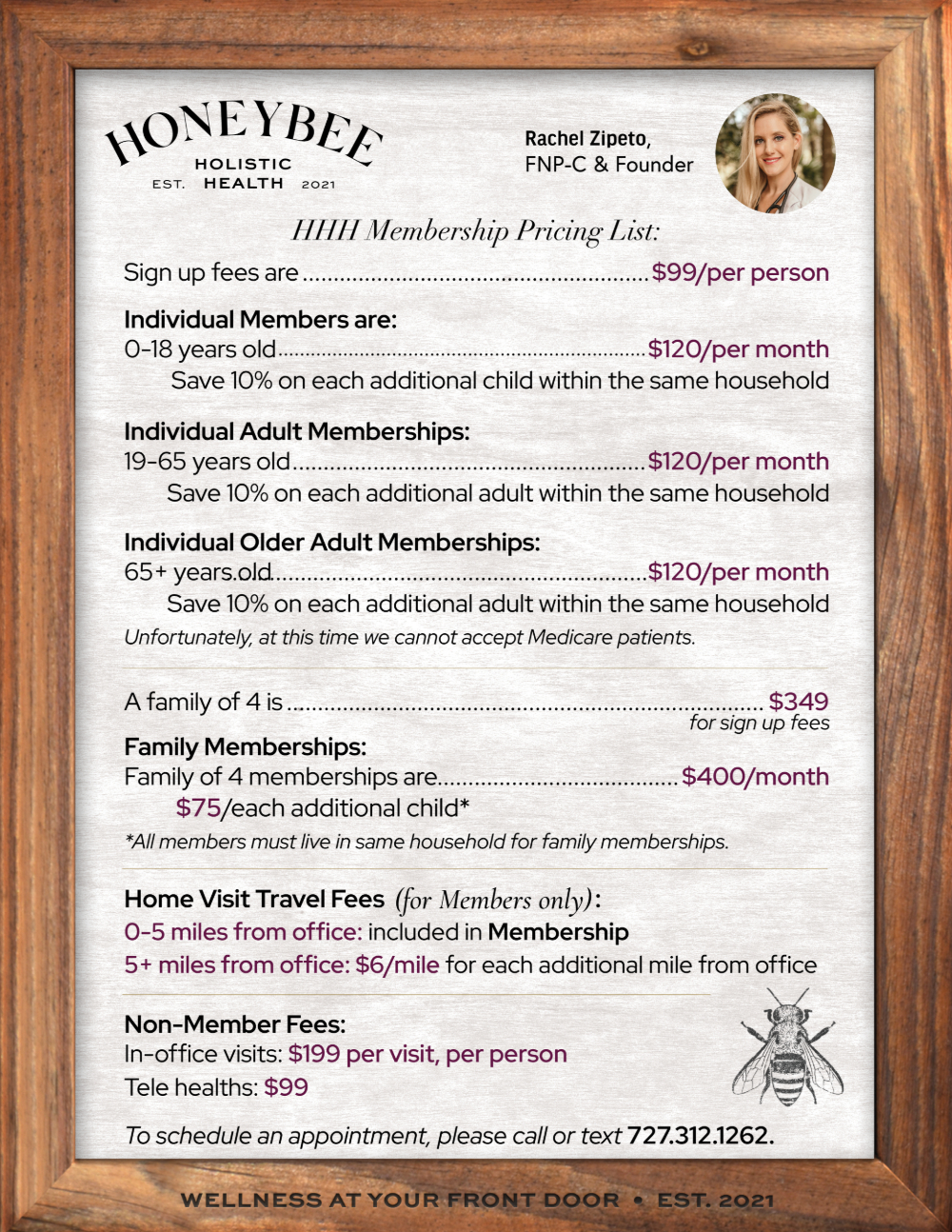
Direct Primary Care (DPC) is a model of care where the patient pays an upfront monthly membership fee for high-quality and low-cost primary care. This means no surprise fees or being billed differently for sick visits versus wellness visits. This model is accessible to all. The focus of Direct Primary Care is ongoing wellness and prevention to prevent unnecessary hospitalizations or costly visits to the ER for primary care services.
Personalized, Comprehensive Care
DPC physicians typically have smaller patient loads which allows them to provide more personalized and comprehensive care. Patients can enjoy longer appointments, unhurried consultations, and enhanced access to their primary care physician.
Affordability and Transparency
We charge a flat monthly, providing patients with transparent and predictable healthcare costs. This fee covers a wide range of primary care services, reducing out-of-pocket expenses and eliminating the complexities of traditional insurance billing.
Enhanced Access and Convenience
Patients benefit from increased access to their primary care physician through extended office hours, same-day or next-day appointments, and virtual consultations. This accessibility leads to improved health outcomes and greater patient satisfaction.
A Focus Preventive Care and Wellness
DPC emphasizes preventive care, health education, and wellness initiatives. Physicians have more time to focus on patient education, lifestyle counseling, and proactive health management, leading to better long-term health outcomes for patients.
Reduced Administrative Burden
By eliminating the insurance billing and administrative tasks associated with traditional fee-for-service models, DPC physicians can dedicate more time and resources to patient care, resulting in a streamlined and patient-centric healthcare experience.
Questions?
For more information about Direct Primary Care, Our Services, or Our Providers, please contact us. We would love to help give you more clarity on how it all works and how we can help you reach your optimal health!
NOTE: Care through a DPC provider does not imply a patient should not carry insurance. Insurance should still be carried in-case of emergencies and hospitalizations. If you have Medicare, you are not eligible for our services at this time.
Some Conditions We Treat

Wellness and Preventative Care
- Screenings and In-house Diagnostic Testing
- Heavily Discounted Labs and Imaging (Members Only)
- Annual Wellness Exams
- Sports / Work Physicals
- Newborn Exams (In your home! We also accept home birth and birthing center patients to our practice.)
- Screening for Depression, Anxiety, and ADHD
- Extended Visit Times 30-90 Minutes
- Childhood Wellness Exams from birth to adulthood
- Post-partum Care
- Lactation Assistance
- Weight Loss
- Advanced Physique Transformations
- And More

Acute Illnesses
- Simple Laceration Repairs
- Sprains and Strains
- Ear Wax Removal
- Foreign Body Removal
- Strep Throat and Upper Respiratory Infections
- Common Childhood Illnesses
- Urinary Tract Infections
- Abscess Drainage
- Steroid Injections
- Acute Dehydration
- Bronchitis
- Common Cold
- Flu
- And More

Chronic Illnesses
- Asthma / COPD
- Allergies
- Eczema
- Hypertension
- High Cholesterol
- Diabetes
- Thyroid Disease
- ADHD / Depression
- Nutritional Deficiencies
- Hormonal Imbalances
- And More

Vaccinations
- Influenza (Flu) Vaccine
- Measles, Mumps, and Rubella (MMR) Vaccine
- Varicella (Chickenpox) Vaccine
- Hepatitis A & B Vaccines
- Tetanus, Diphtheria, and Pertussis (Tdap) Vaccine
- Human Papillomavirus (HPV) Vaccine
- Menigococcal Vaccine
- And More
In house, preservative-free vaccinations are available at cost. We also accept patients who choose to delay vaccination or not vaccinate.