
Gut Health
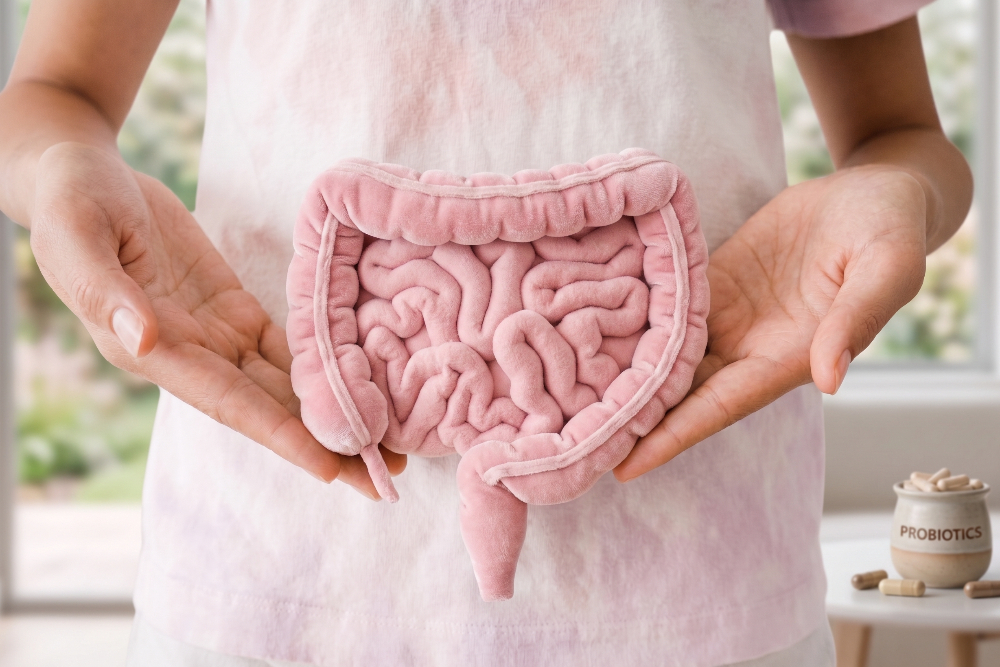
Gut Health Physicians in New Port Richey
Your digestive system does much more than process the food you eat. Your gut plays an important role in nutrient absorption, immune function, metabolism, inflammation, and overall well-being. When your digestive system is not functioning properly, the effects can extend well beyond occasional stomach discomfort.
At Honeybee Holistic Health, we take a whole-person approach to gut health. Rather than focusing only on individual symptoms, we look at the factors that may be contributing to digestive problems and how nutrition, lifestyle, stress, medications, and other aspects of your health may be connected.
Whether you are dealing with bloating, gas, constipation, diarrhea, acid reflux, food sensitivities, or other digestive concerns, understanding what is happening inside your body can be an important first step toward better health.

For Current Patients
To manage your health and communicate with Honeybee Holistic Health, please click below to download the Elation Passport App.

Why Gut Health Matters
Your gastrointestinal system is home to trillions of microorganisms that make up your gut microbiome. These bacteria and other microorganisms interact with your digestive system and can influence many aspects of your health.
A healthy gut helps your body digest food and absorb essential nutrients. It also plays a role in immune health and maintaining the protective barrier of the intestinal tract.
Changes in the gut microbiome, diet, stress levels, medications, and other factors can affect digestive function. For some people, this may contribute to symptoms such as bloating, abdominal discomfort, irregular bowel movements, or food-related reactions.
Gut health can be connected to areas that may not seem directly related to digestion. Nutrition, hormones, metabolism, inflammation, skin health, and even mood can interact with the health of the digestive system.
A Whole-Person Approach to Gut Health
Improving gut health is rarely about one food, one supplement, or one quick fix. Your digestive health can be influenced by many factors, including what you eat, how you sleep, stress, physical activity, medications, and underlying health concerns.
Our approach focuses on understanding your individual health picture and developing strategies that support your body’s natural ability to function well.
Depending on your needs, this may include reviewing nutrition and lifestyle habits, evaluating symptoms, discussing appropriate testing, identifying potential nutritional deficiencies, and addressing other health factors that may be connected to your digestive health.
The goal is not simply to manage a digestive symptom. It is to understand your health more completely and develop a personalized approach that supports long-term wellness.
Signs of Poor Gut Health
Poor gut health can show up in many ways, including bloating, gas, constipation, diarrhea, digestive discomfort, food sensitivities, and changes in bowel habits. Recognizing these signs can be an important first step toward understanding your overall health.
Bloating & Gas
Bloating and excessive gas are common digestive complaints that can be related to diet, food sensitivities, changes in gut bacteria, constipation, or other digestive issues. Understanding the underlying causes can help identify ways to improve digestive comfort.
IBS
Irritable bowel syndrome (IBS) can cause ongoing digestive symptoms such as abdominal discomfort, bloating, constipation, diarrhea, or changes in bowel habits. Diet, stress, gut bacteria, and other factors may contribute to IBS symptoms and digestive discomfort.
Gut Microbiome
The gut microbiome is made up of trillions of microorganisms that live throughout the digestive tract. These microorganisms interact with the body and play important roles in digestion, nutrient absorption, immune function, and overall health.
Acid Reflux & GERD
Acid reflux and GERD can cause heartburn, regurgitation, chest discomfort, and other digestive symptoms. Diet, lifestyle, digestion, and other factors may contribute to reflux and should be considered when evaluating ongoing symptoms.
Constipation & Diarrhea
Changes in bowel movements are an indicator of digestive health. Constipation, diarrhea, and irregular bowel habits have many possible causes, including diet, hydration, medications, food sensitivities, stress, and changes in the gut microbiome.
Food Sensitivities
Certain foods contribute to digestive symptoms such as bloating, gas, abdominal discomfort, diarrhea, or other reactions. Identifying patterns between food intake and symptoms provides valuable information when evaluating gut health.
SIBO
Small intestinal bacterial overgrowth (SIBO) occurs when there is an abnormal increase of bacteria in the small intestine. It can be associated with symptoms such as bloating, gas, abdominal discomfort, diarrhea, constipation, and changes in digestion.
Leaky Gut
The intestinal lining provides an important barrier between the digestive tract and the rest of the body. Changes in intestinal permeability, sometimes referred to as “leaky gut,” are an area of growing interest in digestive and whole-body health.
Gut Health & Nutrition
Nutrition plays an important role in digestive health. The foods you eat provide nutrients that support the body while also influencing digestion and the gut microbiome. A balanced, individualized approach to nutrition can help support healthy digestion and overall wellness.
What are the signs of poor gut health?
Common signs may include bloating, gas, constipation, diarrhea, abdominal discomfort, acid reflux, food sensitivities, and changes in bowel habits. Ongoing digestive symptoms may warrant a closer look at your overall health.
How can I improve my gut health?
Supporting gut health may include eating a varied, nutrient-rich diet, staying hydrated, getting regular physical activity, managing stress, getting adequate sleep, and limiting factors that may negatively affect digestion.
What foods are good for gut health?
Fiber-rich vegetables, fruits, whole grains, legumes, and other nutrient-dense foods can support digestive health. Fermented foods containing beneficial microorganisms may also be part of a balanced approach.
What is the gut microbiome?
The gut microbiome is the community of trillions of microorganisms living throughout your digestive tract. These microorganisms interact with your body and play important roles in digestion, nutrient absorption, immune function, and overall health.
Can gut health affect other areas of the body?
Yes. The digestive system interacts with many aspects of whole-body health, including nutrition, immune function, metabolism, inflammation, and potentially mood and skin health.
What causes bloating and gas?
Bloating and gas can have many causes, including certain foods, constipation, food sensitivities, changes in gut bacteria, eating habits, and underlying digestive conditions.
Can gut health affect weight?
Gut health is one factor that may influence metabolism, digestion, nutrition, and overall wellness. Healthy weight management generally involves multiple factors, including diet, physical activity, sleep, stress, and individual health needs.
What is SIBO?
SIBO, or small intestinal bacterial overgrowth, occurs when there is an abnormal increase of bacteria in the small intestine. It may be associated with bloating, gas, abdominal discomfort, diarrhea, constipation, and other digestive symptoms.
What is leaky gut?
“Leaky gut” is a commonly used term describing increased intestinal permeability, where the intestinal barrier may become more permeable than normal. Intestinal barrier function is an area of ongoing scientific research.
When should I seek help for digestive problems?
Persistent, recurring, or worsening digestive symptoms should not simply be ignored. A healthcare professional can help evaluate your symptoms, health history, nutrition, and other factors to determine whether further evaluation or testing may be appropriate.
Honeybee Holistic Health Provides Direct Primary Care
Direct Primary Care (DPC) is a model of care where the patient pays an upfront monthly membership fee for high-quality and low-cost primary care. This means no surprise fees or being billed differently for sick visits versus wellness visits. This model is accessible to all. The focus of Direct Primary Care is ongoing wellness and prevention to prevent unnecessary hospitalizations or costly visits to the ER for primary care services.
Personalized, Comprehensive Care
DPC physicians typically have smaller patient loads which allows them to provide more personalized and comprehensive care. Patients can enjoy longer appointments, unhurried consultations, and enhanced access to their primary care physician.
Affordability and Transparency
We charge a flat monthly, providing patients with transparent and predictable healthcare costs. This fee covers a wide range of primary care services, reducing out-of-pocket expenses and eliminating the complexities of traditional insurance billing.
Enhanced Access and Convenience
Patients benefit from increased access to their primary care physician through extended office hours, same-day or next-day appointments, and virtual consultations. This accessibility leads to improved health outcomes and greater patient satisfaction.
A Focus Preventive Care and Wellness
DPC emphasizes preventive care, health education, and wellness initiatives. Physicians have more time to focus on patient education, lifestyle counseling, and proactive health management, leading to better long-term health outcomes for patients.
Reduced Administrative Burden
By eliminating the insurance billing and administrative tasks associated with traditional fee-for-service models, DPC physicians can dedicate more time and resources to patient care, resulting in a streamlined and patient-centric healthcare experience.
Questions?
For more information about Direct Primary Care, Our Services, or Our Providers, please contact us. We would love to help give you more clarity on how it all works and how we can help you reach your optimal health!
NOTE: Care through a DPC provider does not imply a patient should not carry insurance. Insurance should still be carried in-case of emergencies and hospitalizations. If you have Medicare, you are not eligible for our services at this time.
Some Conditions We Treat

Wellness and Preventative Care
- Screenings and In-house Diagnostic Testing
- Heavily Discounted Labs and Imaging (Members Only)
- Annual Wellness Exams
- Sports / Work Physicals
- Newborn Exams (In your home! We also accept home birth and birthing center patients to our practice.)
- Screening for Depression, Anxiety, and ADHD
- Extended Visit Times 30-90 Minutes
- Childhood Wellness Exams from birth to adulthood
- Post-partum Care
- Lactation Assistance
- Weight Loss
- Advanced Physique Transformations
- And More

Acute Illnesses
- Simple Laceration Repairs
- Sprains and Strains
- Ear Wax Removal
- Foreign Body Removal
- Strep Throat and Upper Respiratory Infections
- Common Childhood Illnesses
- Urinary Tract Infections
- Abscess Drainage
- Steroid Injections
- Acute Dehydration
- Bronchitis
- Common Cold
- Flu
- And More

Chronic Illnesses
- Asthma / COPD
- Allergies
- Eczema
- Hypertension
- High Cholesterol
- Diabetes
- Thyroid Disease
- ADHD / Depression
- Nutritional Deficiencies
- Hormonal Imbalances
- And More

Vaccinations
- Influenza (Flu) Vaccine
- Measles, Mumps, and Rubella (MMR) Vaccine
- Varicella (Chickenpox) Vaccine
- Hepatitis A & B Vaccines
- Tetanus, Diphtheria, and Pertussis (Tdap) Vaccine
- Human Papillomavirus (HPV) Vaccine
- Menigococcal Vaccine
- And More
In house, preservative-free vaccinations are available at cost. We also accept patients who choose to delay vaccination or not vaccinate.